
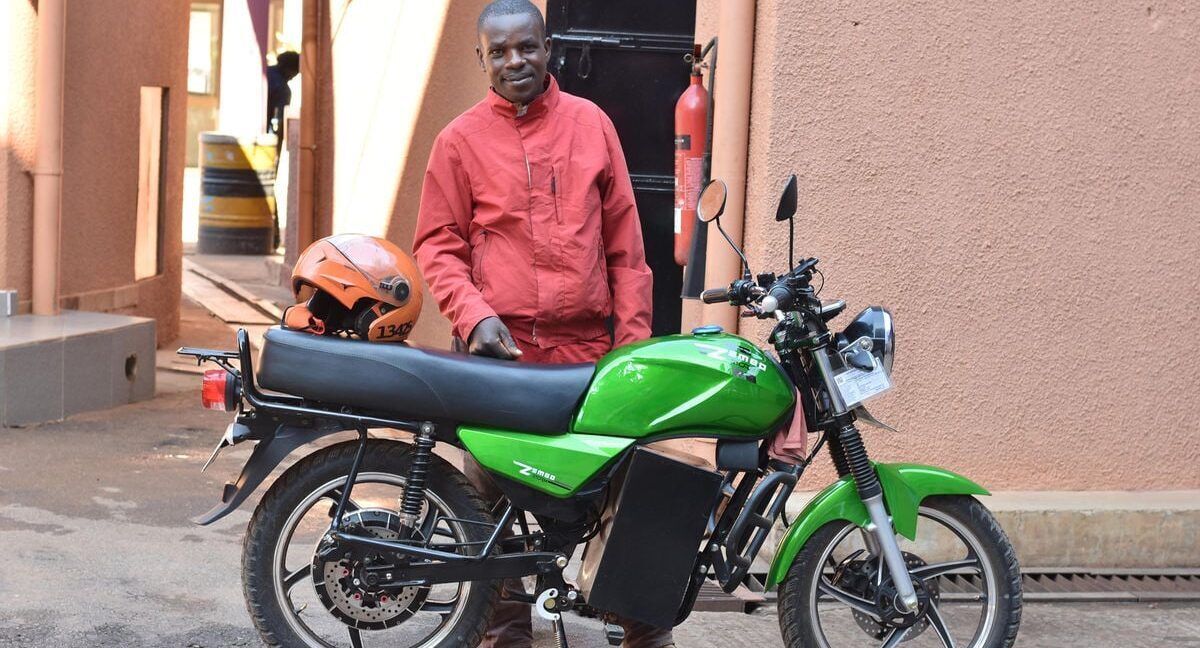
Uganda’s iconic boda bodas, those buzzing, nimble motorcycles that weave through city traffic are undergoing a quiet but powerful transformation. With the surge of electric mobility (e-mobility) initiatives in the country, these traditional petrol-powered two-wheelers are being replaced by clean, green electric motorcycles, ushering in a new era for Uganda’s transport sector.
A Nation on the Move
In May 2025, the Ugandan government, in partnership with private players and development agencies, doubled down on its commitment to sustainable transportation. From launching electric bus fleets in Kampala to licensing new electric motorcycle manufacturers like Zembo and Spiro, Uganda is accelerating its journey toward a cleaner, quieter future.
Why E-Mobility Now?
Several key drivers are pushing Uganda toward e-mobility:
Cost savings: With skyrocketing fuel prices and fluctuating oil markets, electric motorcycles offer a cheaper alternative for boda riders. Charging a battery is significantly less expensive than filling up a tank.
Environmental urgency: Kampala’s air pollution is among the highest in East Africa. Electrification helps reduce carbon emissions and urban smog.
Policy support: The government is waiving import duties for electric vehicles and supporting the development of local battery swapping infrastructure.
Battery Swapping: The Game-Changer
One of the most transformative developments is the expansion of battery swapping stations. Companies like Zembo and Ampersand have deployed hundreds of stations across the country. Riders no longer have to wait hours to charge their bikes—they simply swap a drained battery for a fully charged one in minutes. This model is proving to be a game-changer, especially for Kampala’s 150,000+ boda riders who rely on quick turnarounds to earn a living.
Empowering Local Industry
Uganda isn’t just importing solutions; it’s building them. Homegrown startups are assembling e-bikes locally, training technicians, and creating green jobs in the process. Companies like Bodawerk and M-KOPA are pushing innovation by offering financing models that allow riders to pay for their bikes in daily installments—making the technology accessible to the average Ugandan.
Challenges Ahead
While the e-mobility wave is promising, hurdles remain:
Grid reliability: Uganda must strengthen its electricity grid to support widespread e-vehicle charging.
Public awareness: Many riders are still hesitant about transitioning due to concerns about range, performance, and battery life.
Policy coherence: Coordinated policies and long-term planning are needed to avoid fragmented efforts.
The Road Forward
Despite the challenges, Uganda is positioning itself as a leader in Africa’s electric mobility transition. As more boda riders switch from fuel to battery, the streets of Kampala and beyond may soon hum with the soft whirr of electric motors instead of the roar of exhaust pipes.